Back to Blog
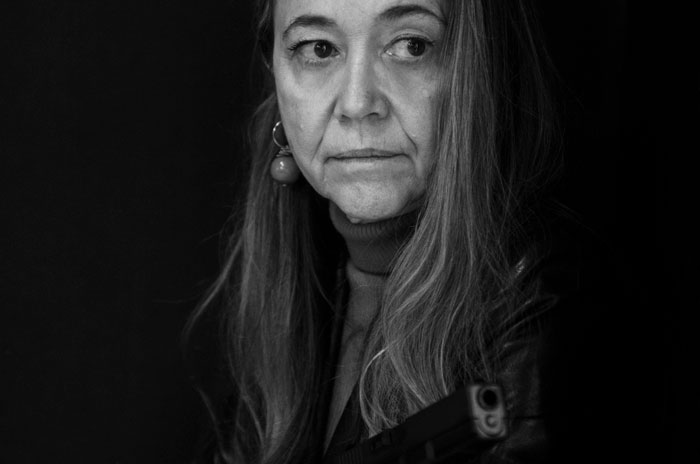
A villain has unexpectedly become the most interesting person in the room. When I write my thrillers, it is an entirely deliberate choice, but why?
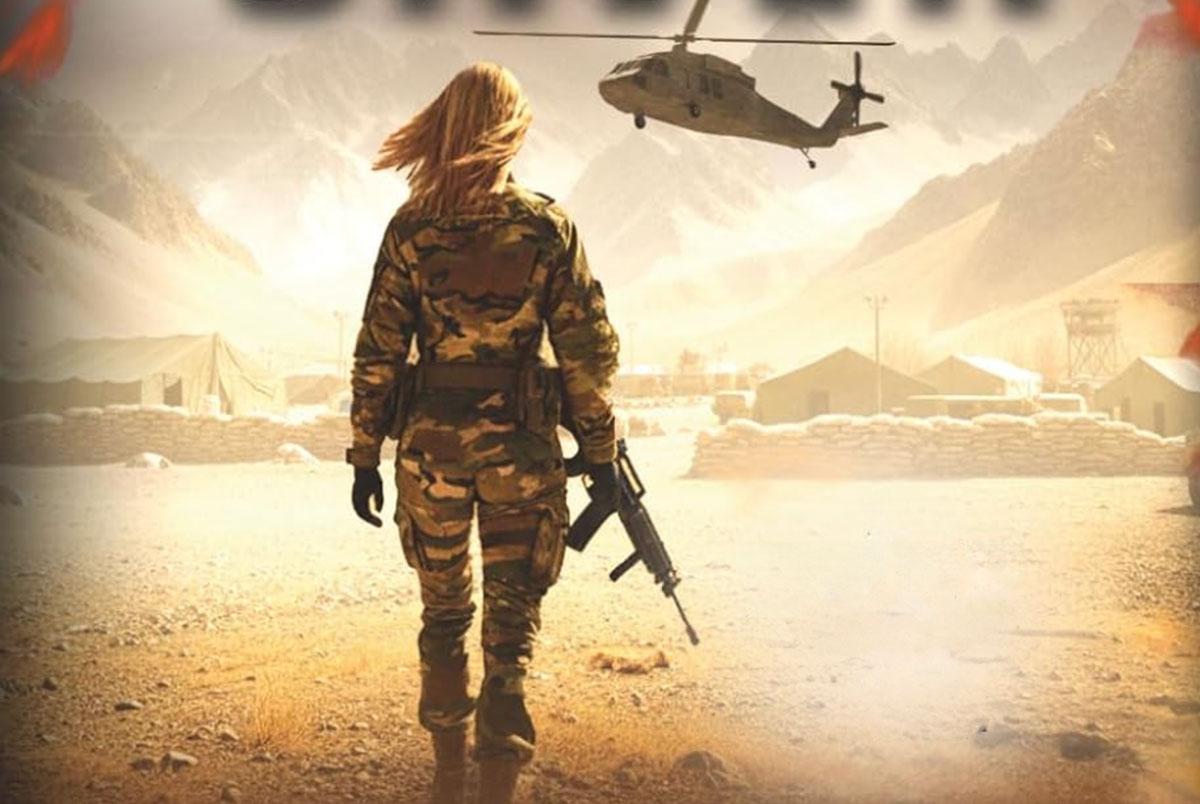
Readers often wonder where my characters come from. The heroes or heroines are easy to explain. Henry Crowne carries memories of the traders I worked alongside in the City—intelligent, intense, operating in a world where morality and pressure to succeed is gossamer slender. Nancy Wu draws on the fierce mind and dogged determination I have witnessed in women navigating an environment designed to trip them at every corner. River Swift? She is the anger I sometimes feel when I witness injustice. She’s the perfect mix of combat training and relentless pursuance of justice.
But it is the villain who keeps me focused on the story line and rewriting my text to deliver the best twists.
The best creative course when it comes to writing about characters isn’t the one you attend to in a classroom. It comes from the school of life. 25 years in investment banking taught me this: the most dangerous people are not the ones who look evil. They were well-tailored suits. They speak in a highly educated manner. They hold the door open for you on the way into a meeting just as they are about to dismantle your career. I sat across the table from people who could charm a room and then, without raising their voice, make decisions that would devastate their work force. They did not think of themselves as villains. They always had a rationale for what they did and I found them terrifying.
When I build an antagonist, I start with their believe that they are entitled, that what they do is necessary either to their survival or the survival of a group of people they see as their own.
Every arms dealer or crooked official in the River Swift series, every corrupt financier in the Henry Crowne series, every shadow operative pulling strings behind the scenes … they all believe, with little doubt in their mind, that they are allowed and even justified. Some of these men and women might even believe they are defending a good cause. I am being honest about how the way the world actually works.
But then, what makes thriller villains memorable?
The French would say les mains sales – dirty hands.
This expression is the title of one of Sartre’s plays. He asks the question: can you do terrible things for good reasons and still call yourself moral? Both Sartre and Camus refuse to answer the question with a clear yes or no. They prefer shades of grey and this makes for a true and credible villain or one that somehow you can’t just completely hate. Perhaps that is why I leave room in my stories for redemption.
So, when you read one of my thrillers and find yourself thinking just for a moment, I understand why they did that. I am nodding with you. The best villains do not make you comfortable. They make you question what you would do in their place. And sometimes it is hard to answer that question…
If you want to be the first to know about new books and the stories behind them, join Freddie's Book Club — it is free and you will get exclusive chapters before anyone else.